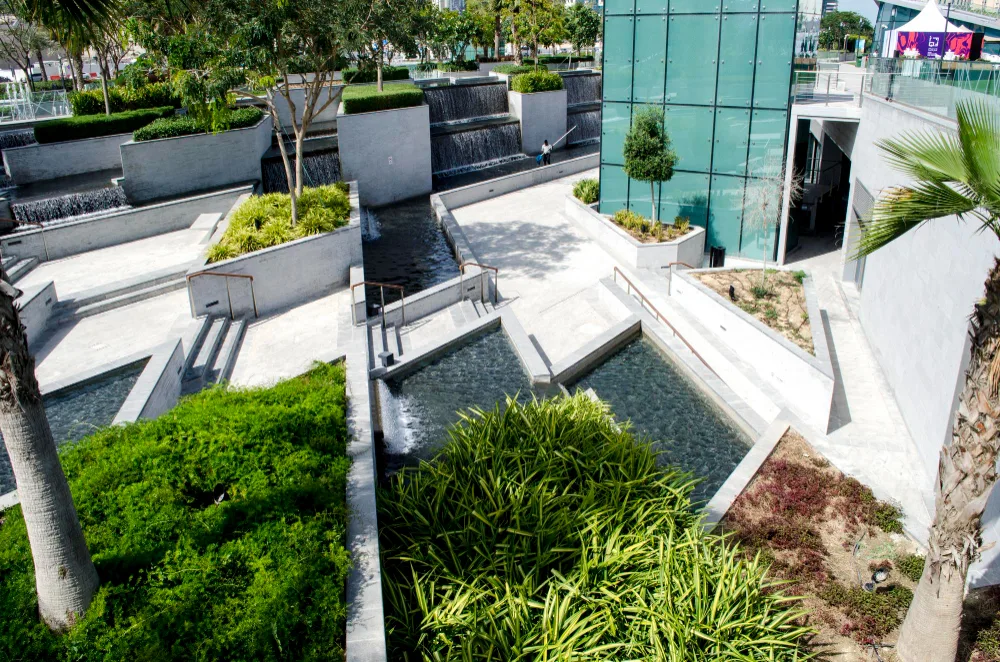
Commercial property maintenance costs in Florida have climbed steadily over the past few years. For property owners around Lake Mary and the broader Seminole County corridor, landscaping often ranks among the top three ongoing expenses. The good news? A well-planned, low-maintenance design can cut those costs by 30–50% over a five-year period without sacrificing curb appeal.
If you're managing a retail center, office park, or multi-tenant property in Central Florida, this guide walks you through the design choices that actually save money long-term.
Ready to get started? Call Plant This! at (407) 676-4806 for a free consultation.
Which Native Plants Work Best for Commercial Properties in Florida?
Florida-native species reduce irrigation and fertilizer costs more than almost any other design decision. Plants like Sabal Palms (Florida's state tree), Muhly Grass, and Coontie Fern are adapted to our climate and require little supplemental water once established, typically needing minimal irrigation after a 90-day establishment period.
Sea Oats and Beautyberry work well along borders and entry corridors. They fill in quickly, handle full sun and sandy soil, and don't need the monthly fertilizer applications that non-native ornamentals demand. For commercial properties near the Seminole Town Center area or along the Lake Mary Boulevard business district, these plants hold up through both dry-season drought and the heavy summer rains we get from June through September.
Switching to a primarily native plant palette can reduce fertilizer applications from 6–8 times per year down to 2–3 times. At $80–$150 per application for a typical commercial property, that's real savings adding up fast.
Our team at Plant This! Outdoor Services has seen this firsthand on properties across Central Florida. Properties that made the switch to native-dominant designs typically saw lower maintenance hours within the first 12 months.
How Does Hardscaping Lower Long-Term Maintenance Costs?
Hardscaping replaces high-maintenance turf and plant beds with materials that require almost no upkeep. For commercial landscaping in Lake Mary, Florida, this is one of the most practical cost-control tools available.
Permeable pavers serve two purposes: they reduce the mowing area and they manage stormwater runoff, which matters a lot in Florida. Our afternoon thunderstorms can drop 2–3 inches of rain in under an hour. Improperly drained properties develop erosion issues, plant loss, and standing water problems that are expensive to fix. Permeable pavers let water absorb naturally, reducing runoff and the landscape damage that comes with it.
Decorative stone and gravel mulch around tree bases and planting beds also cuts down on weeding and replanting cycles. Organic mulch needs replacement every 12–18 months at a cost of $3–$6 per square foot. Decomposed granite or river rock, by contrast, lasts 5–10 years with minimal maintenance.
A few specific applications worth considering:
- Entry plazas and walkways: Replace turf strips with pavers to eliminate string-trimmer labor
- Tree rings: Use crushed stone instead of organic mulch to cut replacement cycles
- Low-traffic side areas: Fill with decorative gravel and low groundcovers instead of sod
Our commercial design planning services include site analysis that identifies exactly where hardscaping makes the most financial sense on your specific property.
What Is Xeriscaping, and Can It Work for a Commercial Property?
Xeriscaping is a landscaping approach that groups plants by water needs and uses drought-tolerant species to minimize irrigation. For commercial properties, it's a practical way to lower monthly utility costs without letting the grounds look neglected.
Weather-based irrigation controllers, sometimes called "smart" controllers, adjust watering schedules automatically based on rainfall and temperature data. Properties that switch from timer-based systems to weather-based controllers typically see irrigation water use drop by 20–40%. On a property spending $500/month on irrigation, that's $100–$200 back in your budget every month.
A full xeriscaping plan divides your property into hydrozones: areas that need regular water (entry plantings, high-visibility beds) and areas that can go weeks without irrigation once plants are established. Combining this with drip irrigation in plant beds instead of spray heads reduces water waste significantly. Spray heads lose 15–30% of water to evaporation in Florida's heat. Drip delivers water directly to roots.
Working with a team that understands local soil conditions makes a big difference here. Sandy soils common around Lake Mary drain quickly, which affects how you design these zones and how often even drought-tolerant plants need supplemental water during the dry season (typically November through April).
How Should Florida Commercial Properties Prepare Landscapes for Hurricane Season?
Hurricane season runs June through November, and the smartest thing a commercial property owner can do is plan for it before the first storm advisory hits.
Tree selection and placement matter most. Tall, weak-wooded species like Queen Palms and Bradford Pears are common choices because they look good, but they fail in high winds and create liability and cleanup costs. Our commercial tree care services include structural assessments that identify trees likely to fail in a storm, often before the owner even realizes there's a risk.
For mulch, properties near the Markham Woods Road corridor and similar Seminole County locations often deal with heavy rainfall that can displace lightweight mulch during storms. Eucalyptus mulch and pine bark nuggets stay put better than shredded pine in heavy rain. They also resist mold better in our humid summers, meaning you won't need to replace them as often, typically every 18–24 months rather than annually.
A few other hurricane-resilience strategies that pay off:
- Keep trees properly pruned so wind passes through rather than catches in the canopy (this alone can prevent 60–70% of storm damage to trees on maintained properties)
- Remove dead or compromised branches in May, before the season starts
- Choose low-profile ground-level plantings along building perimeters to reduce debris risk
- Grade plant beds to direct water away from building foundations
Properties that invest $500–$1,500 in pre-season tree maintenance typically avoid $3,000–$10,000 in post-storm cleanup and replacement costs.
Frequently Asked Questions
How much does a low-maintenance commercial landscape design cost in Central Florida?
A full commercial design plan from an experienced landscaping company in Central Florida typically runs $2,500–$8,000 depending on property size and complexity. That upfront cost usually pays for itself within 18–24 months through reduced maintenance and water expenses.
How often should a commercial property in Lake Mary be serviced?
Most commercial properties in Central Florida benefit from weekly or bi-weekly maintenance visits during the growing season (April through October) and monthly or bi-weekly visits during cooler months. High-visibility properties near busy corridors like Lake Mary Boulevard often warrant more frequent visits to maintain consistent curb appeal.
Do I need permits for commercial landscaping changes in Seminole County?
It depends on the scope of the work. Significant grading, irrigation system installations, and tree removal often require permits through Seminole County. A qualified landscape contractor should handle permit research as part of the design process.
Will switching to native plants make my property look less professional?
No. When designed well, native plant landscapes look polished and intentional. The difference is that they stay that way with less labor and water. Many of the best-looking commercial properties around Lake Nona and the Lake Mary business park areas use predominantly native or Florida-friendly species.
Ready to Cut Costs Without Cutting Corners?
A low-maintenance landscape design built for Florida's climate doesn't mean sacrificing appearance. The properties that look the best year-round are usually the ones that were designed with long-term cost control in mind from the start.
Plant This! specializes in commercial landscaping in Lake Mary, Florida and throughout the greater Central Florida area. Our team understands local soil conditions, Florida building codes, and the seasonal patterns that affect your grounds every year.
Call us at (407) 676-4806 or reach out online to schedule a consultation. We'll walk your property with you and give you a clear picture of where smart design changes can save you money.