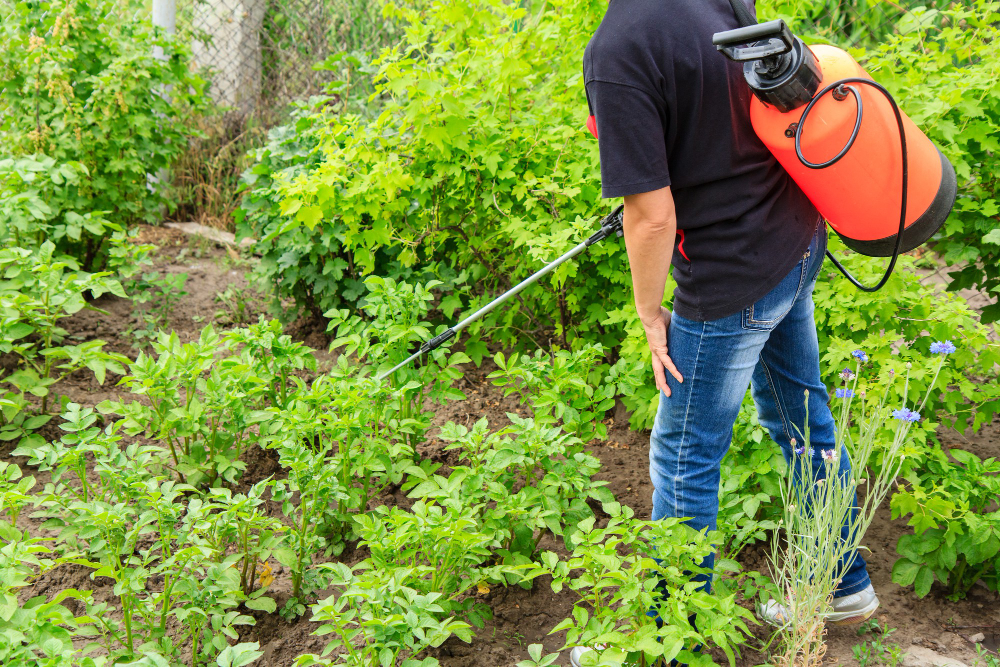
Nothing ruins the look of a pristine commercial property faster than aggressive Florida weeds. Whether you manage an office park in Lake Nona or a retail center in Winter Park, weeds tell customers that the property is neglected.
In Central Florida's humid, subtropical climate, weeds don't just grow; they explode. Commercial landscaping in Orlando, Florida requires a specific, aggressive strategy because our growing season never really ends.
If you're tired of seeing dollarweed take over your turf or crabgrass cracking your pavement. This guide helps you to manage weed control effectively, what it costs, and how to keep your property looking professional year-round.
Why Are Florida Weeds So Hard to Control?
In Orlando, weeds grow year-round because we rarely get hard freezes to kill them off. The combination of 90°F+ temperatures, daily summer thunderstorms, and sandy soil creates a perfect greenhouse environment for unwanted growth.
Common nuisance weeds like Asiatic Hawksbeard, Florida Betony (rattlesnake weed), and Dollarweed thrive here. They compete with your expensive turf and ornamentals for water and nutrients. If you let them go for even two weeks during the rainy season (June through September), they can double in size.
Our technicians typically find that property owners who try to handle this in-house often use the wrong products at the wrong times, wasting money while the weeds keep spreading.
What Are the Best Weed Control Methods?
The most effective weed control combines three methods: pre-emergent treatment, post-emergent treatment, and proper cultural practices. You can't rely on just one.
Pre-Emergent Herbicides
This is your first line of defense. Pre-emergents create a chemical barrier in the soil that stops weed seeds from germinating. In Florida, timing is everything. You need to apply these in early spring (February/March) and again in early fall (September/October). If you miss these windows, you'll be fighting a losing battle against crabgrass and goosegrass all year.
Post-Emergent Herbicides
These treatments kill existing weeds. There are two main types:
- Selective: Kills the weeds but leaves your grass alone. This is vital for maintaining St. Augustine or Zoysia turf.
- Non-Selective: Kills everything it touches (like glyphosate). We use this carefully in planting beds, sidewalk cracks, and parking lots where no plants should be.
Cultural Practices (The Secret Weapon)
Chemicals can't fix a weak lawn. The best defense against weeds is thick, healthy turf. This means mowing at the right height (3.5 to 4 inches for St. Augustine grass) and ensuring proper irrigation. When your grass is dense, it shades the soil, making it hard for weed seeds to sprout.
When we handle commercial landscape maintenance, we focus heavily on turf health to reduce the amount of chemicals needed later.
How Do I Create a Weed Control Plan?
A successful plan starts with a site audit and ends with a consistent schedule. You can't "set it and forget it" in Orlando.
Step 1: Identify Your Turf and Plants
Different grasses tolerate different chemicals. Using a product meant for Bermuda grass on St. Augustine turf can kill your entire lawn in days.
Step 2: Set a Budget and Schedule
Commercial weed control isn't a one-time expense. It's an ongoing operational cost. For a typical commercial property in Orlando, effective chemical weed control and fertilization programs usually cost between $120 and $200 per acre per application, depending on the products used. You should budget for at least 6-8 applications per year.
Step 3: Monitor and Adjust
Weeds shift with the seasons. In winter, we fight broadleaf weeds. In summer, we fight sedges and grassy weeds. Your plan needs to adapt month-to-month.
If you're looking to revamp your property's look entirely, proper commercial design planting can actually reduce weed pressure by installing denser, more resilient plant material from the start.
How Does the December 2025 Google Update Affect My Landscaping?
You might wonder what Google has to do with your lawn. The December 2025 Core Update and AI Overviews changed how local businesses are found online.
If you're a property manager searching for "commercial landscaping in Orlando, Florida," you need accurate, expert answers fast. Google now prioritizes content that demonstrates real experience and local knowledge—like knowing that typical mulch breaks down in 4-6 months here, not annually.
To keep your business visible, ensure your own website offers specific, helpful information. Avoid generic advice. Instead of saying "weed control is important," explain that "failing to treat for sod webworms in August can destroy a lawn in 48 hours."
Are There Local Regulations I Need to Know?
Yes, Florida has strict rules regarding fertilizer and herbicide use to protect our water quality.
- Blackout Periods: Many counties, including Orange and Seminole, have fertilizer blackout periods during the rainy season (typically June 1 to September 30) to prevent nitrogen runoff into our lakes and springs.
- Licensing: Anyone applying herbicides commercially on your property must carry a Limited Commercial Landscape Maintenance (LCLM) license or a Pest Control Operator license from the Florida Department of Agriculture. Hiring an unlicensed landscaper puts your property at liability risk.
Can We Use Sustainable Weed Control?
Absolutely. Sustainability is a big focus for commercial landscaping in Orlando, Florida right now.
- Mulching: Keeping a 3-inch layer of pine bark or hardwood mulch in your plant beds blocks sunlight from reaching weed seeds.
- Native Plants: Using plants native to Central Florida, like Coontie or Fakahatchee Grass, creates a landscape that naturally resists pests and weeds better than exotic imports.
- Hand Pulling: For sensitive areas or high-visibility spots near entrances (like those ritzy lobbies in Dr. Phillips), manual removal is often safer and looks better than spraying chemicals.
Real Results: A Local Case Study
We recently took over a retail plaza near the Florida Mall that was overrun with dollarweed. The previous company was just mowing over the weeds, which actually spreads the seeds further.
We implemented a plan that included:
- A granular pre-emergent application in late February.
- Spot-treating the dollarweed with a selective herbicide.
- Raising the mower deck height to 4 inches to relieve stress on the turf.
Within 60 days, the weed coverage declined by 80%. The turf filled in, and the property owner reported fewer complaints from tenants about the "messy" appearance.
Q&A with a Local Expert
We asked our lead technician, Mike, for his take on the biggest mistake commercial owners make.
Q: What is the #1 error you see in commercial weed control?
A: "Inconsistency. Property managers try to save money by skipping the pre-emergent treatments in spring. They save a few hundred dollars in March, but then end up spending thousands in July trying to fix a lawn that's completely overtaken by crabgrass. It’s cheaper to prevent it than to cure it."
Keep Your Commercial Property Weed-Free
Weed control in Orlando is a battle, but it's one you can win with the right plan. Consistent treatment, proper mowing, and expert timing are the keys to a professional-looking landscape.
Don't let weeds degrade your property value. If you want a landscape that looks immaculate year-round, we can help.
Call Plant This! at (407) 676-4806 today to schedule your site audit. We’ll give you a clear, honest assessment of what your property needs to thrive.